Sump Pumps & Interior Drainage
Sump Pumps & Interior Drainage in Charlotte, NC
The soil survey lists seasonal high water in some local soils. Sump pump installation starts with where water collects.
Wet Floors, Damp Walls and Pumps That Run Too Often
Water shows up in different ways. Here is what you may see and what each sign can mean. Only an inspection confirms the cause.
- Damp or wet floor after rain. In a basement, crawl space or low slab area this may mean water is reaching the floor level.
- Water along the edge where floor meets wall. It may be seeping through the joint or rising from below.
- Musty smell. Steady dampness may be present even when no puddle shows.
- White powder on block or concrete. Salts left behind can show that moisture has passed through the material.
- Stored boxes, wood or insulation that stay damp. It may point to a wet low spot.
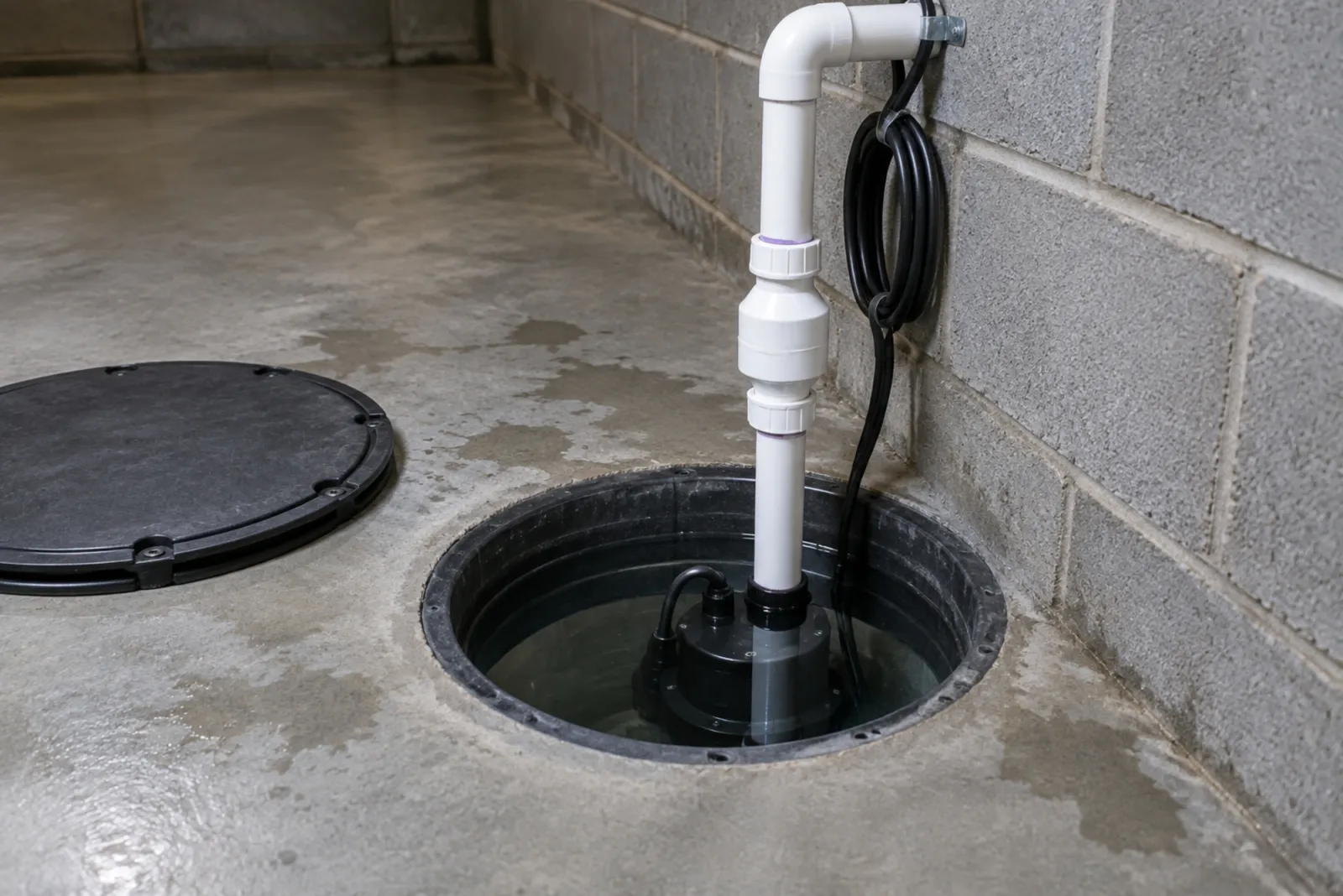
- A sump pit that runs often, runs loudly or never runs. The pump may be worn, set wrong or sized too small for the inflow.
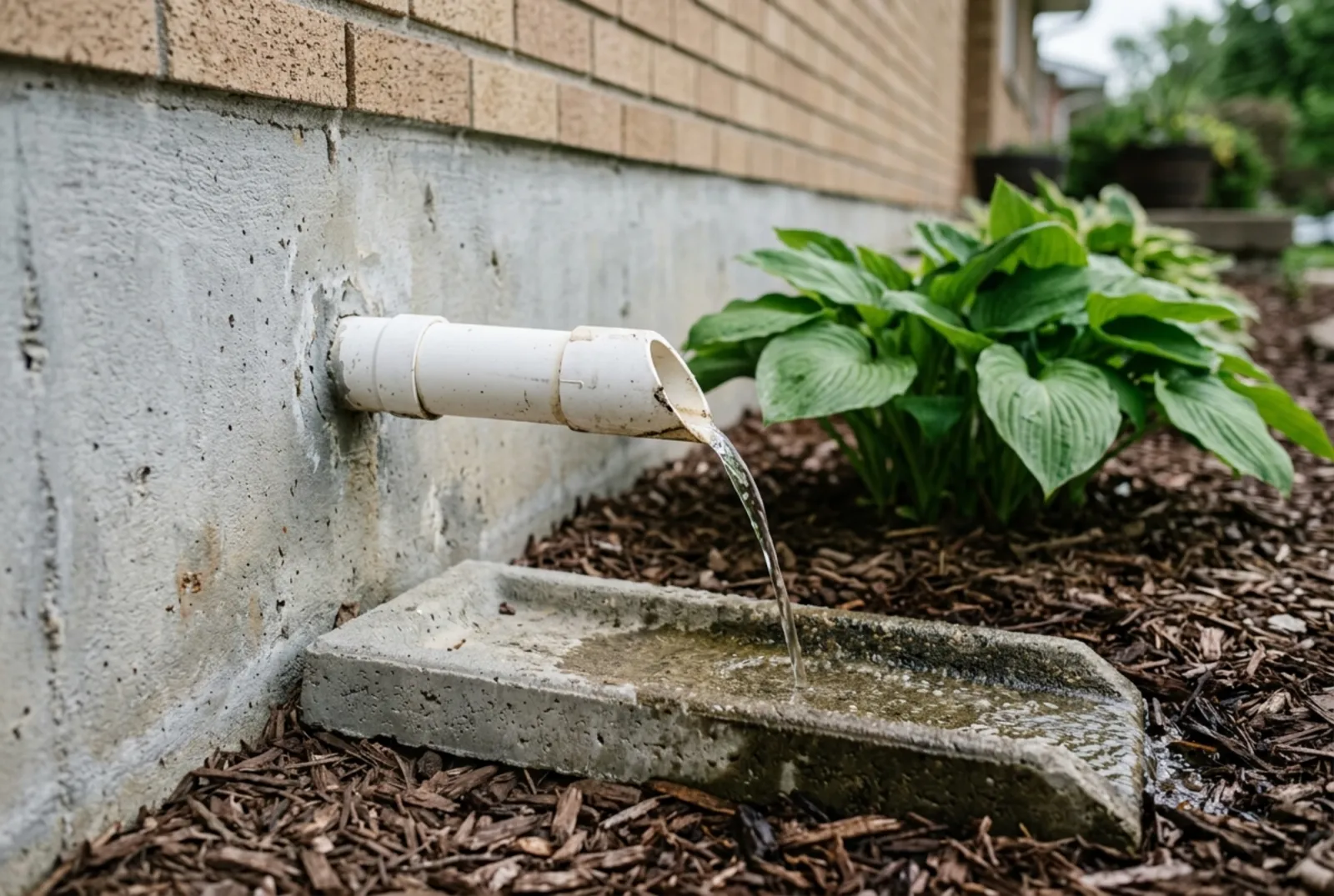
- Water that returns after you pump it out. The discharge may be too close, or the drain path may be blocked.
Sump Pump Installation in Charlotte, NC: Pits, Drains and Backups Compared
Sump pump installation in Charlotte, NC is one tool among several. The right mix depends on where water enters and where it can go.
| Option | What it does | Fits when | Limits |
|---|---|---|---|
| Sump pit and pump | A pit set below the floor collects water, and a pump sends it out through a pipe | Water collects at one low point or arrives faster than it drains on its own | It needs power and an outlet, and it only handles water that reaches the pit |
| Interior perimeter drain | A channel and pipe along the inside edge of the floor catch water and lead it to the pit | Water seeps in along a wall or at the floor joint | It means opening part of the floor, and it does not stop water outside the wall |
| Battery backup or second pump | Adds a pump that runs when power fails or the main pump cannot keep up | A pump is the only thing between the water and a finished space | Batteries wear out and need checking, and a backup only helps if the pit and pipe are sound |
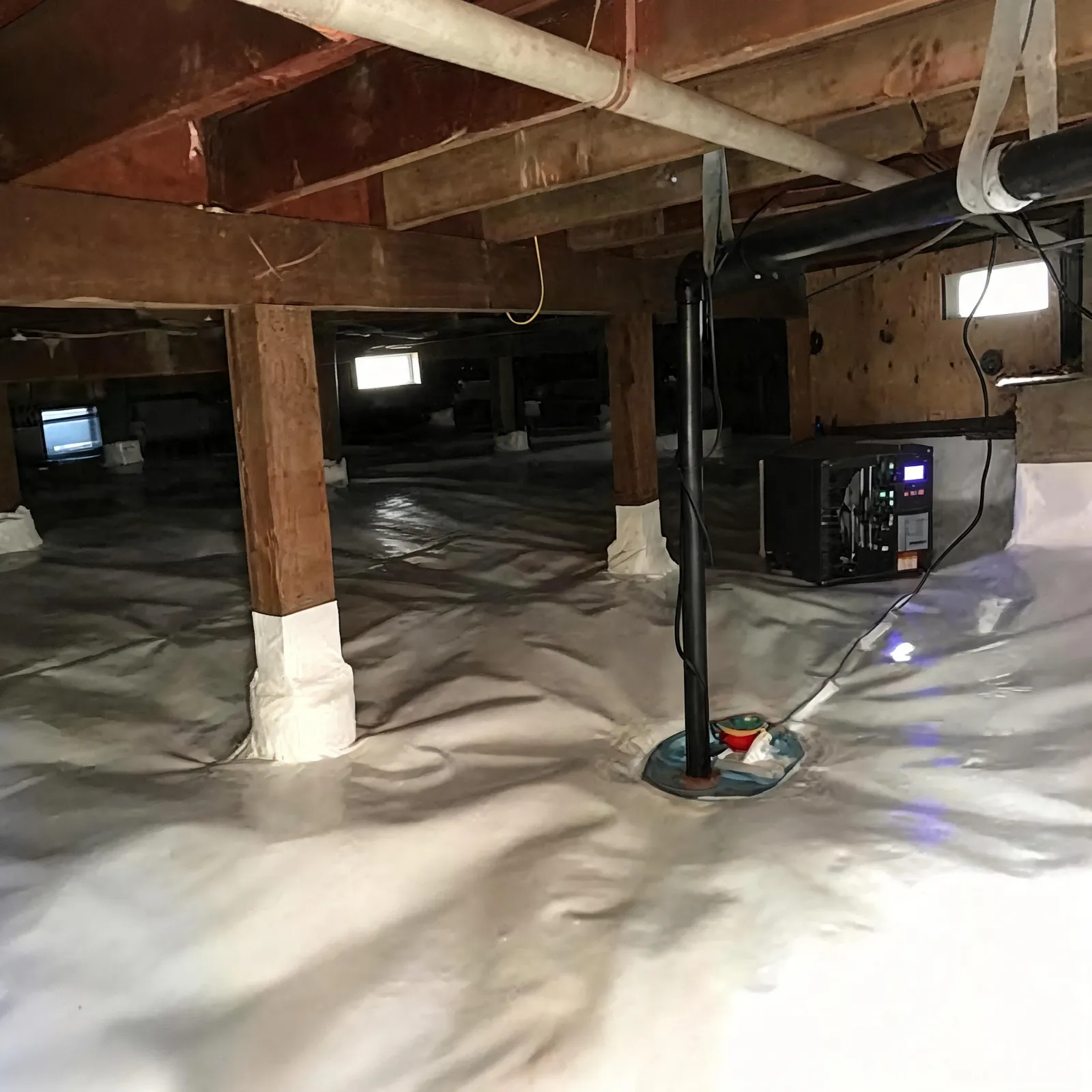
| Crawl space pit and pump | A small pit and pump in the crawl space ground move standing water out | Water pools under the building after rain | It removes water but does not control damp air, so it is often paired with a vapor barrier |
| Discharge line and outlet | A pipe carries pumped water away from the building to a place it can drain | A pump exists, but water comes back or pools by the wall | It needs somewhere lower to go, and a blocked or frozen line stops the pump from helping |
| Outside water control first | Gutters, grading or an outside drain keep water from reaching the wall | Roof or yard water is the likely source and the inside is damp, not flooded | It may not be enough where groundwater rises, so it can be paired with a pump |
How a Sump Pump and Drain Job Usually Goes
- Walk the water path. For sump pump installation, a contractor looks at the wet spots, the gutters, the grade outside and where the pump would discharge. You show them when the water appears, such as after rain.
- Find the low point and the outlet. Water needs a place to collect and a lower place to leave. The visit checks both, and it checks the power supply for the pump.
- Choose the layout. The plan may be a pit and pump, a perimeter drain, a backup, or outside water control first. You get the plan and the parts list in writing.
- Install the sump pump and drain. Crews cut the floor where needed, set the pit and pipe, connect the discharge line and restore the opened area.
- Test and explain. The crew pours water in the pit to see the pump start and stop. They show you the switch, the check valve and what to look at each season.
What Makes One Pump and Drain Job Cost More Than Another
No two jobs match, so the price depends on the site. These are the things that move it.
- How much of the floor must be opened, and whether it is concrete, gravel or dirt.
- The length of interior drain the water path needs.
- The size and number of pumps, and whether a backup is added.
- How far the discharge line runs and where the water can go.
- Access to the work area, including a tight crawl space.
- Power for the pump, including a dedicated circuit or battery.
- Whether outside water control or a crawl space vapor barrier is part of the job.
- Finish work after the floor is opened.
For a written estimate for your own building, use the free estimate form.
Perched Water, Creek-Bottom Soils and Steady Rain
Water behaves differently from one lot to the next, so a pump plan is written for one building at a time. These are the sourced facts.
Seasonal water in two soil series. The NRCS Iredell series description lists a perched water table 1 to 2 feet deep from December to April.
The Helena series description lists one 18 to 30 inches deep from January to April. Both pages were opened October 7, 2026.
They describe the soil series, not any one yard.
Creek-bottom soils. The NRCS Soil Data Access sample (queried October 7, 2026) shows frequently flooded soils at 9 of 77 natural points in Mecklenburg County. In Gaston County it shows them at 10 of 104.
The sample lists an annual minimum water table of about 38 centimeters for the Monacan soil in Mecklenburg and 25 centimeters for the Chewacla soil in Gaston. A point is not a lot.
Rain. The NOAA 1991-2020 Climate Normals for Charlotte Douglas Airport give 43.60 inches of precipitation a year.
The airport averages 112.4 days a year with at least 0.01 inch and 11.5 days with at least 1 inch.
Concord flood page. The city of Concord's flood plains page says part of the city lies in Special Flood Hazard Areas.
It also says flooding may occur where drainage is a problem. See the drainage and water control page and the crawl space page for related work.
Sump Pumps & Interior Drainage Questions in Charlotte, NC
How does sump pump installation work in Charlotte, NC if I have a crawl space and no basement?
A pit and pump can be set in a crawl space or a low slab area, not only in a basement. Nothing we have read says how many local buildings have a basement. A licensed and insured contractor can look at where water collects and give you a free estimate.
The soil survey lists winter and spring water in some soils. Do I need a sump pump?
Not from that fact alone. The Iredell and Helena series descriptions list a perched water table from December or January to April. They describe the soil series, not your yard, so only an inspection shows if water reaches your floor.
What happens to my sump pump when the power goes out in a storm?
A pump on plain house power stops when the power fails. The NC State Climate Office says Duke Power and Progress Energy together reported 876,000 outages across the Carolinas after Hurricane Hugo in 1989. A battery backup is one option to discuss.
Where does the water go once the pump moves it out?
It needs a place to drain away from the building, so water does not run back toward the wall. The contractor goes over the outlet with you before work starts. A line that runs into a low spot or a blocked ditch may bring the water back.
After the 2026 drought, should I still check my sump pump?
Yes, a dry spell does not remove the need. WBTV reported exceptional drought in Mecklenburg, Cabarrus and Union Counties in spring 2026, and NOAA normals still show 43.60 inches of rain in a normal year. Pour water in the pit to see the pump start.
Contact Us Today for a Free Estimate
Describe where water collects and a licensed and insured contractor will look it over and give you a free estimate.