Foundation Inspection & Structural Evaluation
Foundation Inspection & Structural Evaluation in Charlotte, NC
A foundation inspection in Charlotte, NC looks at one lot. The soil survey shows different soils close together.
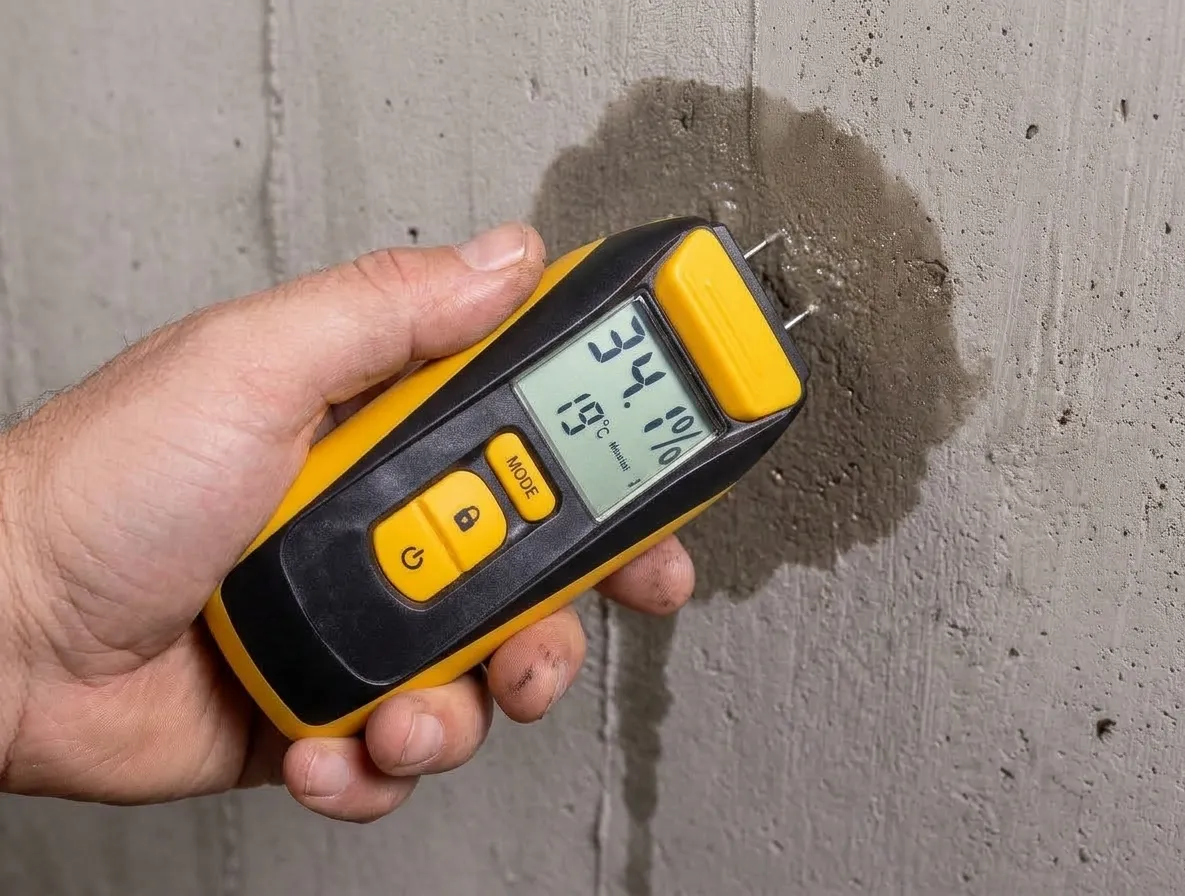
Cracks, Gaps and Patched Walls That Call for a Closer Look
Any of these is a reason to book a foundation inspection. Each has more than one possible cause, and only an inspection confirms which one applies.
- A diagonal or stair-step crack in brick, block or drywall. It may mean one section of the footing has moved more than the next.
- A horizontal crack in a block or basement wall. It may mean the ground is pressing on the wall, or that water is.
- A crack that comes back after patching. It suggests something is still moving.
- Doors or windows that stick, or trim that has opened a gap. The frame may have gone out of square.
- A floor that slopes or feels bouncy. The cause may be the framing, the support below, or the ground.
- Fresh paint or patching over a wall you are about to buy. A closer look can show whether the crack was ever looked at.
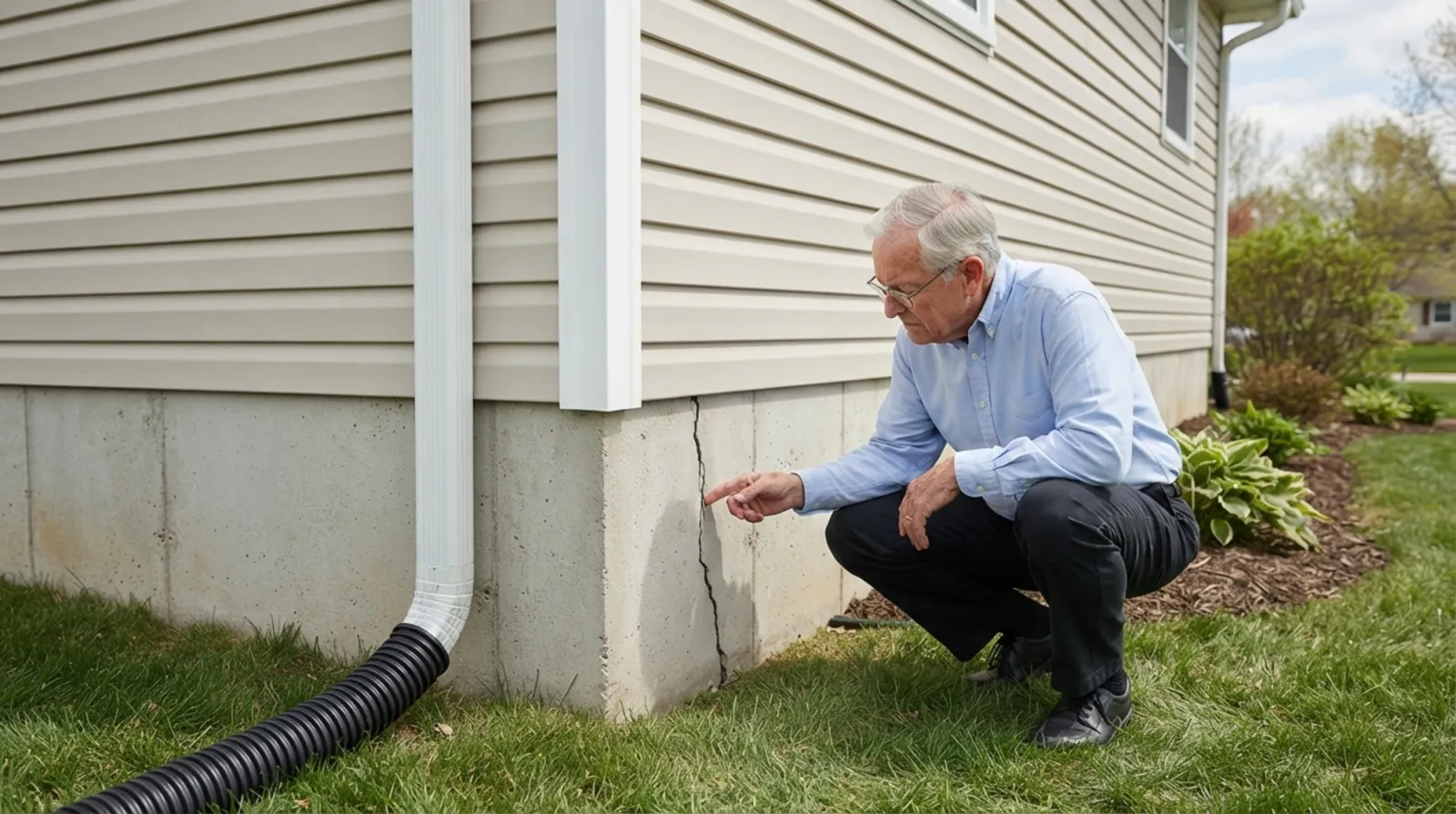
- Wet soil or standing water beside the wall where cracks show. Water may be part of the cause, so drainage is checked with the cracks.
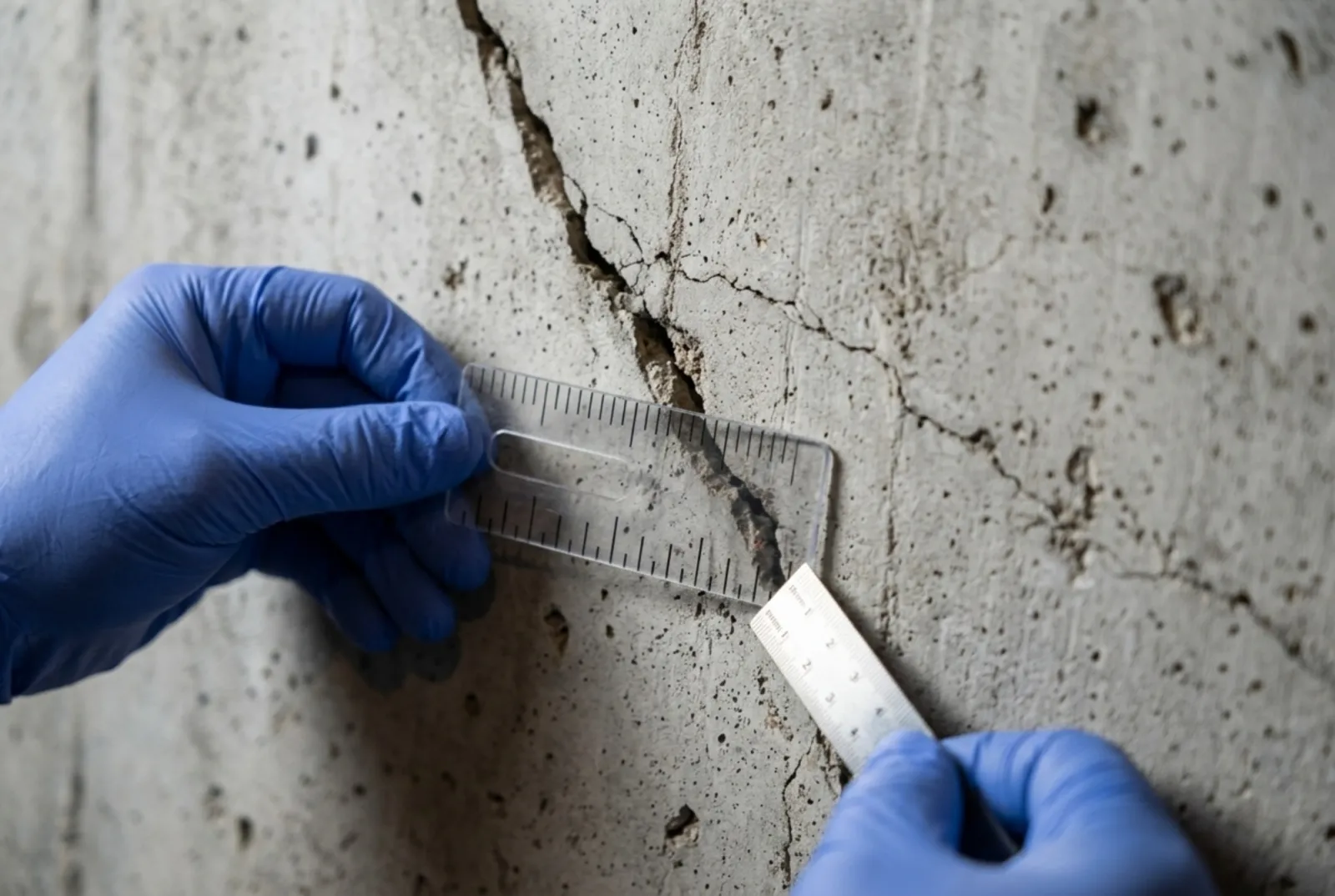
Take photos with a coin or ruler beside each crack and note the date. That shows later whether it is changing.
Structural Engineer or Foundation Inspection: Who Does What
Searching for a structural engineer in Charlotte, NC and booking a foundation inspection are two different steps. This table shows what each one gives you and where it stops.
| Option | What it gives you | Fits when | Limits |
|---|---|---|---|
| Foundation inspection by a repair contractor | A walk of the inside and outside, notes on the cracks, grade and gutters, and a plain-words view of what may be moving | You see cracks, sticking doors or wet spots and want to know what comes next | It leads to a repair estimate. It is not an independent report |
| Structural engineer's report | A written opinion from an engineer who is not selling the repair, sometimes with a repair design | A lender, insurer, buyer or building office asks for one, or you want a second opinion before a large repair | It is a separate professional and a separate charge, and it does not do the repair |
| General home inspection | A broad look at the whole building, often during a sale | You are buying and want the full picture, including a first note on the foundation | It is not a detailed study of movement. A flagged crack may need a closer look |
| Watch and measure | Marks or gauges on a crack, read again after a set time | A small, older crack with no other signs | It fixes nothing, and it cannot say why a crack moved |
How a Foundation Inspection Usually Goes
- Tell us what you see.Describe the cracks, doors, floors or wet spots and where they are. Photos and dates help. Nothing is decided at this stage.
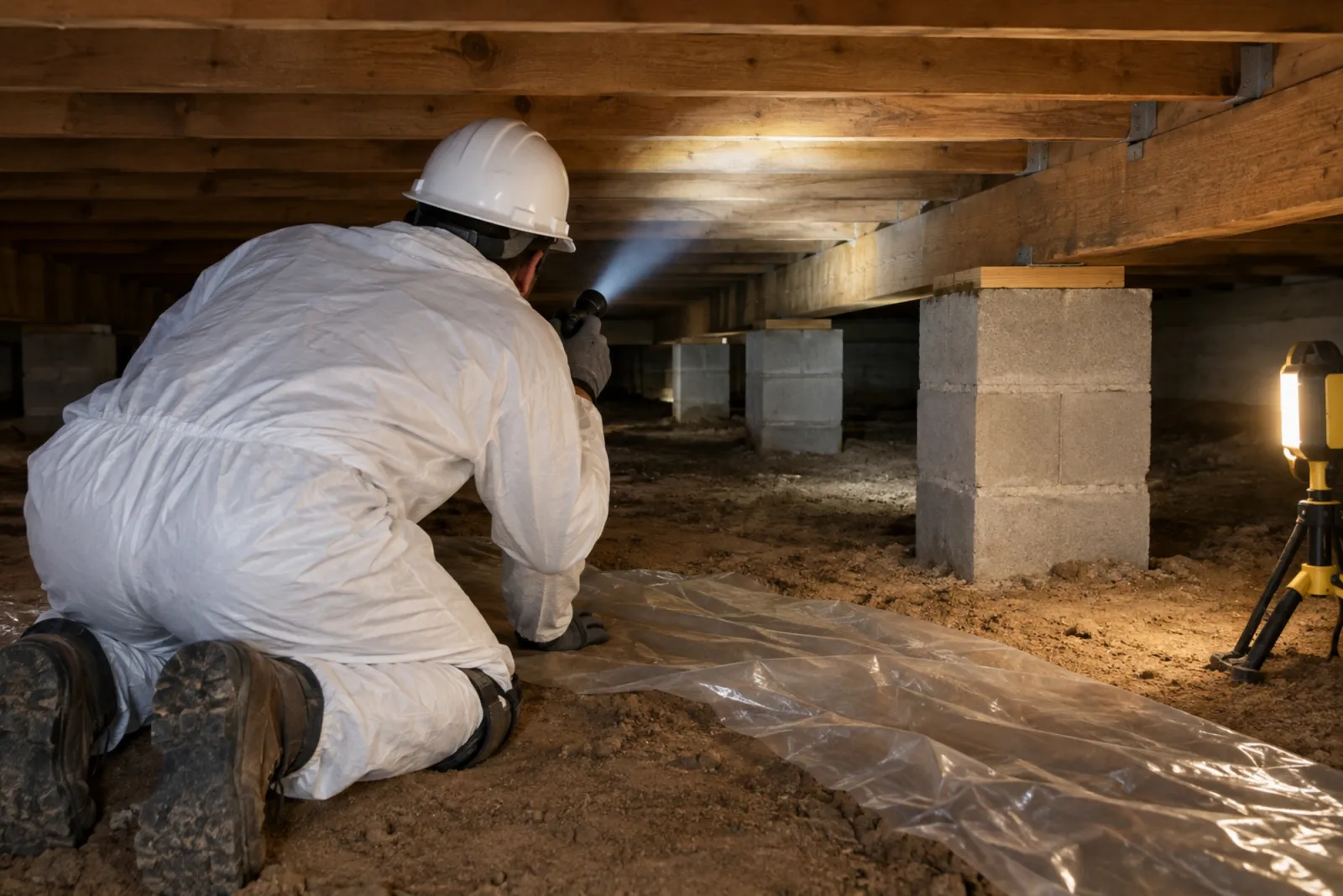
- A contractor walks the site.The visit covers the walls and floors inside, the footing and grade outside, the gutters and any damp ground. It is a look at your location, not a quick glance at one crack.
- The findings are put in plain words.You hear what has moved, what has not, and what may be behind it. If the cause is still unclear, the next step may be to watch and measure.
- You decide whether an engineer's report is useful.If a lender, insurer or buyer wants an independent opinion, or the repair is large, a structural engineer can be hired for a report. The inspection tells you which items to ask the engineer about.
- The estimate follows the findings.If repair makes sense, the estimate lists the work, such as piers, drainage or crack repair. If not, you get a list of what to monitor. The work is performed by licensed and insured contractors.
What Changes the Price of an Inspection and What Follows It
The visit itself is only part of the picture. These things move the price, and no figures are given here. Repair ranges and their sources are on the foundation repair cost page.
- The size of the building and the number of floors.
- Access to a crawl space, basement or attic.
- How many cracks or rooms need to be mapped.
- Whether you want repeat visits to measure movement.
- Whether you also want a structural engineer's report, which is a separate professional and a separate charge.
- Whether the findings lead to repair work such as piers, drainage or crack repair.
A licensed and insured contractor will look it over and give you a free estimate that lists these items.
Why a Neighbor's Result May Not Be Yours
Ground, housing age and local offices all differ across the Charlotte area. These are the sourced facts.
Soil samples by county. The USDA NRCS Soil Data Access service (queried October 7, 2026) gave a grid of natural-soil points in each county. A linear extensibility of 6 or more means higher shrink and swell.
That figure was reached at 12 of 77 points in Mecklenburg County and 22 of 112 in Cabarrus County. It was reached at 4 of 104 in Gaston County, 1 of 144 in Union County and 0 of 108 in Iredell County. A point is not a lot, so this shows the mix and not your yard.
Series descriptions. The NRCS Enon series description rates shrink-swell high overall, and the Cecil series description rates it low in all layers. The soil survey shows both kinds of soil in the area.
Older buildings. Census Bureau estimates (ACS 2024, through Census Reporter) put about 46% of Gaston County housing units as built before 1980, against about 23% in Mecklenburg County. In Cabarrus County about 15% were built before 1960.
See the Gastonia page and the Concord page for those towns.
Different offices by town. The City of Gastonia says construction permits there have been issued by Gaston County since August 29, 2022.
The Town of Matthews says Mecklenburg County handles its building permits and inspections. The Town of Mooresville says its own building permitting department was created in 2023.
Foundation Inspection Questions in Charlotte, NC
Do I need a structural engineer in Charlotte, NC, or a foundation inspection first?
They are different jobs: a foundation inspection finds what has moved and what may be behind it. A structural engineer is a separate profession that writes an independent report. A lender, insurer or buyer may ask for one, and an inspection can show whether it is worth having.
How is a foundation inspection different from a general building inspection?
No. A home inspection is a broad look at the whole building, often during a sale. A foundation inspection studies cracks, floors, grade and drainage in more detail, and it is the closer look if a home inspector notes a crack.
I am buying an older house in Gastonia. Should the foundation be looked at?
It is sensible. Census estimates put about 46% of Gaston County housing units as built before 1980. Age alone is not a defect, but an older building has had more years of weather, and fresh paint can hide old cracks.
My neighbor had piers installed. Does that mean I need them?
Not necessarily. The soil survey sample shows 22 of 112 points in Cabarrus County at 6 or more for shrink-swell, and 0 of 108 in Iredell County. Soil and drainage differ from lot to lot, so only an inspection of your building shows what applies.
What should I have ready for a foundation inspection in Charlotte, NC?
Note where the cracks are, when you first saw them, and take photos with a ruler beside each one. Mention wet spots and any earlier reports or repairs. The work is performed by licensed and insured contractors, and a contractor will look it over and give you a free estimate.
Contact Us Today for a Free Estimate
Tell us about the cracks, doors or floors you have noticed. A licensed and insured contractor will look it over and give you a free estimate.